




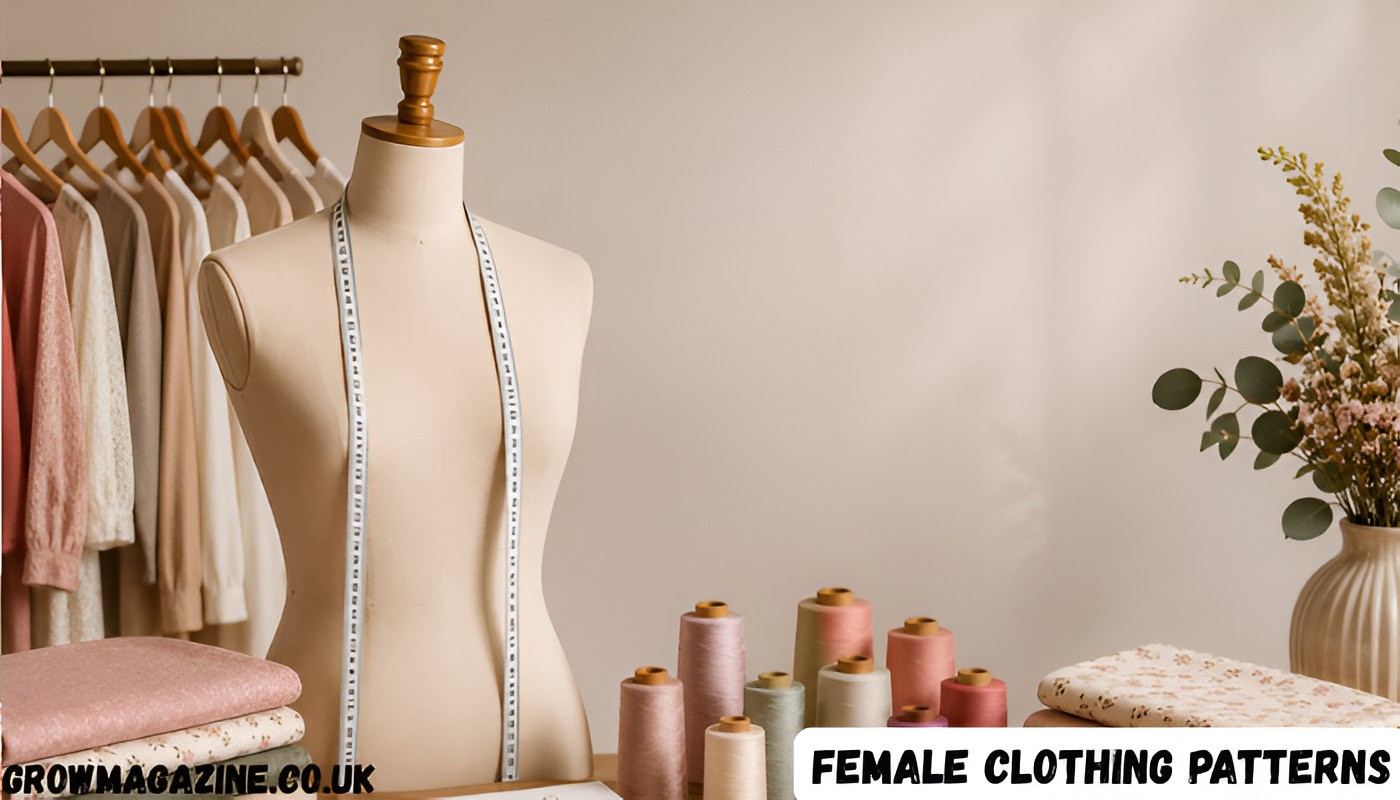
Female Clothing Patterns: The Ultimate Guide to the Styles, Fabrics, and Sewing Designs
Female Clothing Patterns are the foundation of every successful sewing project, but choosing the right one can feel overwhelming, especially for beginners. With countless dress silhouettes, sleeve styles, skirt designs, and fabric options available, it’s easy to feel unsure about where to start. Whether you’re sewing casual wear, elegant formal attire, or everyday wardrobe essentials, understanding the different types of women’s clothing patterns can make the entire sewing process easier, more efficient, and enjoyable. This guide explains the most popular pattern styles in clear, beginner-friendly language, recommends the best fabrics for each design, and shares practical tips to help you sew garments that fit well, look professional, and match your personal style.
What Are Clothing Patterns?
A clothing pattern is essentially a template. It’s a set of paper or digital pieces, shaped to match different parts of a garment, that you trace or cut around to shape fabric into a finished piece of clothing. Every pattern includes the same basic building blocks: front and back pieces, sleeves if the garment has them, and smaller pieces like collars, cuffs, or waistbands. Patterns come in two main forms. Commercial patterns are printed on tissue paper and sold in packets, usually with several size and view options included. PDF patterns are digital files you print at home and tape together, which has become a popular option with independent pattern designers. Both work the same way once you have the pieces cut out, the difference is really just how you get them.
Types of Female Clothing Patterns by Garment
Patterns are usually organized by the type of garment they create, and each category has its own common variations worth knowing.
Dress Patterns
Dress patterns cover the widest range of silhouettes. An A-line dress skims out gently from the waist or bust, which makes it forgiving on most body types. A wrap dress crosses at the front and ties at the waist, creating an adjustable fit without a zipper. A shift dress is straight up and down with little shaping, good for beginners since it involves fewer fitting steps. A fit-and-flare dress is fitted through the bodice and flares out at the waist, and an empire waist dress has a seam just under the bust with a looser skirt below it.
Top and Blouse Patterns
Tops range from simple boxy shapes to more tailored designs. A fitted blouse usually includes darts to shape the fabric around the bust and waist. An oversized or boxy top skips most of that shaping for a relaxed fit. A peplum top adds a flared piece of fabric at the waist for extra shape, and a tunic is longer, often falling past the hip, and works well over leggings or slim pants.
Skirt Patterns
Skirts are one of the easier categories to start with. A pencil skirt is fitted and straight, usually with a back slit for movement. A circle skirt is cut from a full circle of fabric, giving it dramatic flare without needing pleats. A pleated skirt uses folded fabric sections for structured volume, and a wrap skirt closes similarly to a wrap dress, with adjustable ties instead of a zipper.
Pants and Trouser Patterns
Pants patterns vary mostly by leg shape. Straight leg pants keep the same width from hip to hem. Wide leg and palazzo pants are looser through the leg for a more relaxed drape. Cigarette pants taper slightly at the ankle, and high waisted patterns sit above the natural waistline rather than at or below it.
Outerwear Patterns
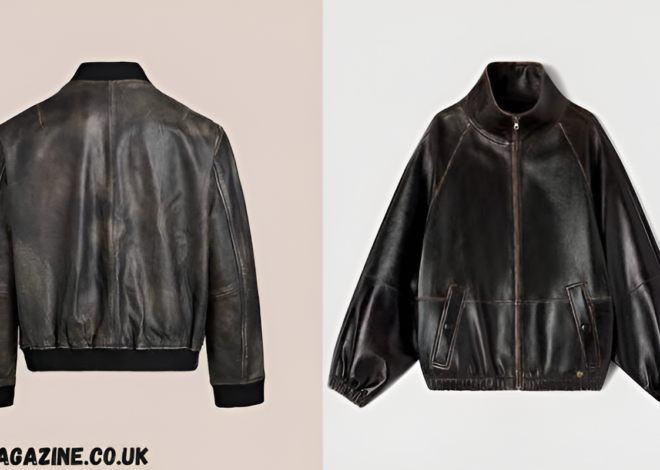
Jackets, blazers, and coats are usually considered more advanced projects because they involve extra structure, like interfacing, lining, and sometimes shoulder pads. A blazer pattern typically includes a collar, lapels, and set-in sleeves, while a simple unlined jacket pattern is a gentler way to practice outerwear construction before attempting something fully lined.
Popular Clothing Pattern Companies
Most sewists eventually settle on a few favorite pattern companies. The most well known are often called the “Big 4,” which includes McCall’s, Simplicity, Butterick, and Vogue Patterns. These companies have been producing patterns for decades and offer a huge range of styles, from basic beginner projects to detailed evening wear. Alongside them, independent pattern companies have grown quickly in popularity. Brands like Tilly and the Buttons, Closet Core Patterns, Sew Over It, and Deer and Doe tend to focus on modern silhouettes, clearer instructions for beginners, and PDF formats that can be downloaded and printed at home.
Best Fabrics for Different Clothing Patterns
Choosing the right fabric matters just as much as choosing the right pattern. The same dress pattern can look completely different depending on whether it’s sewn in a stiff cotton or a soft, flowing rayon.
| Fabric Type | Best Used For | Care Tips |
|---|---|---|
| Cotton | Shirts, casual dresses, skirts | Machine washable, may shrink on first wash |
| Linen | Summer dresses, relaxed trousers | Wrinkles easily, best ironed while damp |
| Silk | Blouses, eveningwear | Hand wash or dry clean, avoid direct heat |
| Jersey knit | T-shirts, fitted tops, casual dresses | Machine washable, needs a stretch or ballpoint needle |
| Chiffon | Flowy dresses, overlays | Delicate, prone to fraying, best hand washed |
| Denim | Skirts, trousers, jackets | Machine washable, may fade over time |
| Wool | Coats, structured jackets | Often dry clean only, store folded to avoid stretching |
| Satin | Formal dresses, linings | Snags easily, hand wash or gentle cycle |
As a general rule, structured garments like blazers and pencil skirts need fabric with some body, like cotton twill or wool, while flowy garments like wrap dresses and circle skirts look best in soft, drapey fabrics like rayon or chiffon.
Understanding Pattern Sizing and Fit
Pattern sizing rarely matches ready-to-wear clothing sizes, which trips up a lot of beginners. Pattern companies use their own size charts based on body measurements, usually bust, waist, and hip, so it’s worth measuring yourself and comparing those numbers to the pattern envelope instead of guessing based on your usual clothing size. Ease is another important concept. It refers to the extra room built into a pattern beyond your exact measurements, which allows for movement and comfort. A fitted blouse might have two inches of ease, while an oversized tunic could have six inches or more. Many sewists also make a muslin, a test version of the garment sewn in cheap fabric, before cutting into their good fabric. It sounds like an extra step, but it catches fit problems early, before they become expensive mistakes.
Sewing Pattern Symbols and Markings
Every pattern piece includes a set of standard markings that tell you how to cut and assemble it.
| Symbol/Marking | What It Means |
|---|---|
| Grainline | An arrow showing how the pattern piece should line up with the fabric’s woven threads, which affects how the finished garment hangs. |
| Notches | Small triangles along the edges that show where two pieces should match up when sewn together. |
| Darts | Folded and stitched triangles of fabric that shape flat fabric around curves, like the bust or waist. |
| Fold line | A marking that shows where a pattern piece should be placed on a folded edge of fabric rather than cut as a single layer. |
| Cutting line vs. seam line | The outer line is where you cut, while an inner line, if marked, shows where the actual seam will be sewn. |
Design Elements That Change a Pattern’s Style
Small design choices can completely change how a pattern looks and fits, even when the base shape stays the same.
Necklines range from simple crew necks to scoop, V-neck, sweetheart, and boat neck styles, each changing how the garment frames the shoulders and collarbone. Sleeve types include set-in sleeves, raglan sleeves that extend in one piece to the collar, and puff or bell sleeves for a more dramatic shape. Waistlines can sit at the natural waist, above it for an empire style, or be dropped lower for a relaxed silhouette. Hemlines, whether straight, curved, or asymmetrical, also change how formal or casual a finished piece feels.
Tips for Choosing the Right Pattern for Your Body Type
There’s no single pattern that works for everyone, but a few general guidelines can help narrow things down. Fuller busts often benefit from patterns with princess seams or darts, since they allow for more shaping through the chest. Fuller hips tend to look balanced in A-line or fit-and-flare shapes rather than straight, unshaped silhouettes. Shorter frames often look best in patterns with a defined waistline, since it helps create the appearance of more height. None of these are strict rules, just starting points worth trying before deciding what actually works for your body.
Common Mistakes When Sewing Female Clothing Patterns
A few mistakes come up again and again, especially with beginners.
Skipping a muslin is one of the most common. It’s tempting to cut straight into good fabric, but fit problems are much easier to fix on a test version. Ignoring the grainline is another frequent issue, since cutting a piece off-grain can cause the finished garment to twist or hang unevenly. Not pre-washing fabric before cutting can also cause problems, since some fabrics shrink after their first wash, which can throw off the fit of a finished garment. Using the wrong needle for the fabric, like a standard needle on stretchy knit fabric, can lead to skipped stitches or small holes. Finally, rushing through pinning and cutting often leads to mismatched notches and pieces that don’t line up correctly during construction.
How to Adapt a Pattern for a Custom Fit
Once you’re comfortable with a basic pattern, small adjustments can make a big difference. Lengthening or shortening a bodice or hem is usually the easiest change, done by adding or removing fabric at marked lengthen or shorten lines on the pattern. Adjusting the bust involves adding extra width or moving a dart to better match your shape. Taking in or letting out side seams is a simple way to fine-tune the waist and hip fit without altering the whole pattern. Many sewists keep notes on the adjustments they make to a pattern the first time, so future projects using the same base pattern go faster.
Read More: https://growmagazine.co.uk/soft-summer-celebrities/
FAQs About Female Clothing Patterns
What is the easiest clothing pattern for a beginner to sew?
A shift dress or a simple A-line skirt are usually recommended first, since they involve fewer fitting steps and simpler construction.
Do I need to pre-wash fabric before cutting a pattern?
Yes, in most cases. Pre-washing helps prevent shrinkage after the garment is finished, especially with cotton and linen.
What’s the difference between commercial and PDF sewing patterns?
Commercial patterns come pre-printed on tissue paper, while PDF patterns are digital files you print and assemble at home. Both include the same type of pattern pieces and instructions.
How much fabric do I need for a dress pattern?
This varies by size and style, but the pattern envelope or PDF instructions will list exact yardage requirements based on fabric width and your chosen size.
What fabric is best for beginners?
Cotton is usually the easiest fabric to start with, since it doesn’t stretch, slip, or fray as easily as knits or silky fabrics.
Why doesn’t my pattern size match my usual clothing size?
Pattern companies use their own sizing based on body measurements, not the sizing used by clothing retailers, so it’s normal for the numbers to be different.
Final Thoughts
Female clothing patterns cover a huge range of styles, but the basics stay the same across almost every project: understand the shape you’re working with, choose a fabric that suits that shape, and take the time to check fit before committing to your final fabric. Once those pieces click, moving from simple shifts and skirts to more detailed dresses and outerwear becomes a lot less intimidating.
Learn more with the latest insights on growmagazine.co.uk