




Iceland Solo Travel: Everything You Need to Know for a Safe and Unforgettable Adventure
Iceland Solo Travel enthusiasts pick Iceland over anywhere else, and it’s not just the waterfalls. The country has been ranked the most peaceful place on earth almost every year since 2008, and unlike a lot of safety rankings, this one actually matches what you feel on the ground. Police rarely carry weapons, there’s no standing army, and the population is small enough that trust between people still feels normal rather than naive.One of the biggest reasons Iceland Solo Travel is so popular is the country’s strong sense of safety. You’ll see locals leave laptops on café tables while they order coffee, and solo women walk through Reykjavík at night without a second thought. English is spoken almost everywhere too, from city restaurants to remote gas stations, so you’re never going to hit a wall trying to communicate.None of that means Iceland Solo Travel is risk-free. It just means the risks live somewhere else, mainly in the weather, the roads, and the ocean, which is a very different thing to plan around than crime.
The Main Thing to Watch Out For
If you take one piece of advice from every guide written about solo travel in Iceland, it’s this: the country’s real danger is nature, not people. Weather here can shift from calm and sunny to sleet and howling wind in under an hour, so checking the forecast before you leave for the day isn’t optional, it’s just part of how you function here. Glacial rivers, icy winter roads, and the sneaker waves along black sand beaches like Reynisfjara have caused real injuries over the years, almost always because someone assumed they had more time or control than they actually did. Geothermal areas deserve the same caution. Stay on the marked paths, keep your distance from geysers, and don’t attempt a glacier hike on your own unless you genuinely know what you’re doing.This isn’t intended to discourage anyone from visiting. It’s just the tradeoff that comes with visiting a country whose landscapes are this dramatic. Iceland doesn’t really negotiate with people who underestimate it.
Picking the Right Time to Visit
Iceland is almost a different country depending on the season, so figuring out when to go matters more here than in most places. Summer, from roughly June through August, gives you nearly around the clock daylight, easier driving conditions, and access to the Highlands, which stay closed the rest of the year. It’s the most forgiving season if this is your first time traveling alone, especially if you’re planning to drive yourself around. Winter brings something completely different, mainly a shot at the northern lights and a quieter, more atmospheric version of the country, but you’re working with only a few hours of daylight and roads that can close on short notice. If you’d prefer a more relaxed trip, visiting in May or September usually means comfortable conditions, shorter queues, and lower costs than traveling during the busiest summer months.
Getting Around Without Relying on Anyone Else
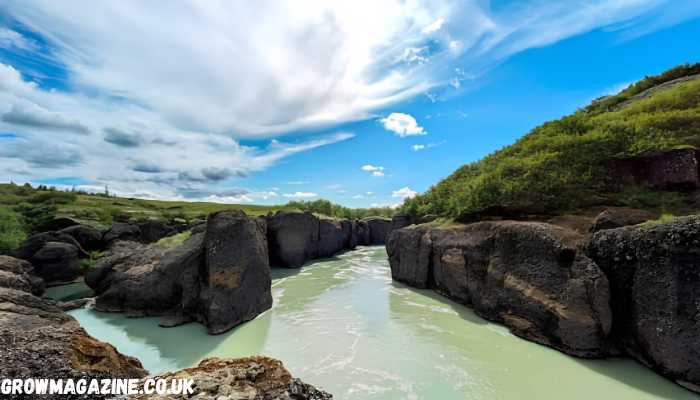
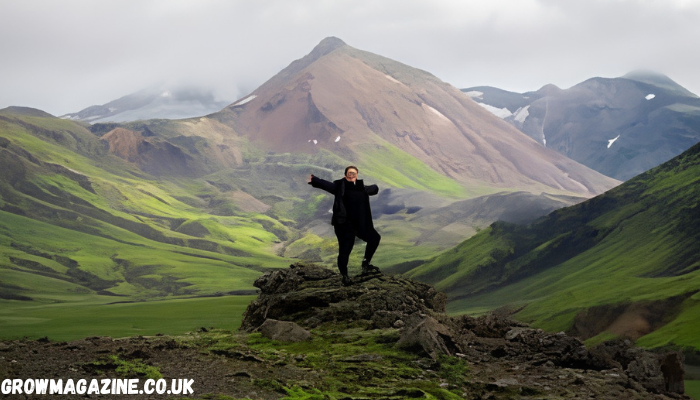
One of the more pleasant surprises about solo travel in Iceland is just how manageable it is to get around. The Ring Road loops around the entire country, signage is clear, and offline Google Maps works fine even in areas without phone signal. Most solo travelers end up either renting a small car or going the campervan route, since the bus network exists but doesn’t really reach most of the places people actually want to see. Campervans in particular tend to be a favorite for solo trips, mostly because they solve transportation and lodging at the same time, and campsites here have a naturally social atmosphere, so you end up meeting other travelers just by parking near them for the night. If your trip includes winter driving or any part of the Highlands, a 4×4 stops being a nice extra and becomes something closer to a requirement, since a lot of the mountain roads are unpaved and can turn rough fast.
What a Trip Like This Actually Costs
Iceland’s reputation for being expensive is fair, but it’s often exaggerated a bit, especially once you know where the costs actually live. Hostels typically run somewhere between $35 and $60 a night, guesthouses and mid-range hotels usually land between $90 and $160, and if you want something more upscale, remote cottages and nicer stays start around $300. The upside is that a huge part of what people come to Iceland for doesn’t cost anything at all. Hiking trails, waterfalls, and the overall scenery are free, and the country’s public swimming pools, which are everywhere, give you a version of the classic hot spring experience for a fraction of what the famous lagoons charge.
Keeping Yourself Safe Day to Day
The single most useful habit for solo travelers here is filing a route plan on SafeTravel.is before any significant hike or long drive. It takes only a few minutes, and it means Icelandic search and rescue teams know roughly where to look if something goes wrong. Beyond that, get comfortable checking road conditions at road.is and the forecast through the Icelandic Met Office before heading out, and take those warnings seriously rather than treating them as suggestions. For glaciers, ice caves, or anything deep in the Highlands, book a guided tour instead of going it alone. That’s not really about experience level, it’s that conditions in those areas shift quickly, and guides know how to read them in ways visitors usually can’t. Keeping your phone charged, carrying a portable battery, and downloading offline maps before you lose signal are small habits, but they end up mattering a lot if anything unexpected happens.
How Safe It Really Is for Women Traveling Alone
Iceland shows up again and again as one of the best destinations in the world for solo female travelers, and that’s not just a marketing line, it’s backed by some of the strongest gender equality and women’s safety rankings anywhere. Women regularly describe walking through Reykjavík or small coastal towns late at night without feeling on edge, which is honestly rare for a solo travel destination. That said, normal common sense still applies everywhere. Stay aware of your surroundings, particularly around nightlife, and if something ever feels off in a bar or club, staff are generally quick to help. The bigger safety conversation in Iceland really does center on weather and terrain rather than personal safety around other people, which puts it in a pretty different category compared to a lot of solo destinations.
Packing for a Country With Four Seasons in One Day
Packing for Iceland basically means preparing for four seasons within a single afternoon, even during summer. Waterproof, windproof outer layers matter more than almost anything else in your bag, and a solid warm base layer underneath will save you more than once. Broken in hiking boots are worth prioritizing over anything stylish, since you’ll likely be walking on wet, uneven, or rocky terrain more often than you’d expect. A reusable water bottle is genuinely worth packing too, since Iceland’s tap water is some of the cleanest anywhere, so refilling constantly beats buying bottled water the whole trip. If you’re visiting during winter, pack for real cold and short daylight hours, and bring a headlamp if you plan on being outside once the sun goes down.
You Don’t Have to Be Alone the Whole Time
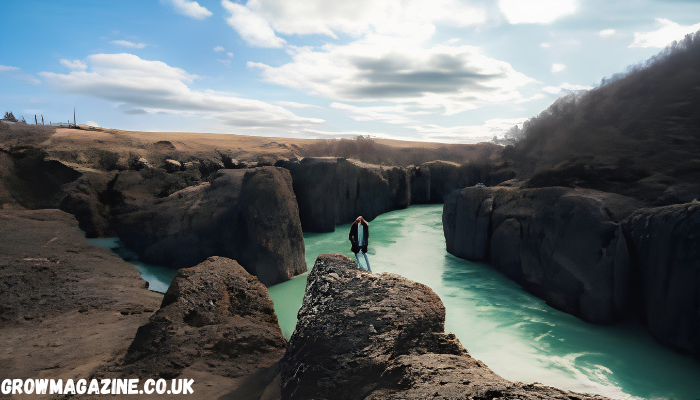
Traveling solo doesn’t mean spending the entire trip by yourself. Hostels in Reykjavík and smaller towns usually have common spaces that make it easy to start a conversation, and joining a group tour for something like a glacier hike or a Golden Circle day trip is a low pressure way to spend time around other travelers without much commitment. If you’re doing the campervan route, campsites naturally turn into little social gatherings in the evening, especially during summer when everyone’s outside anyway. None of this takes much effort on your part. Iceland’s tourism infrastructure is genuinely built around independent travelers, so chances to connect with people tend to show up without you having to chase them down.
Also Read: Cyberpunk Fashion: A Complete Guide to Futuristic Style, Trends, and Outfit Ideas
A Handful of Practical Details Worth Knowing
The currency is the Icelandic króna, and cards work almost everywhere, though it’s smart to carry a small amount of cash just in case. Headlights are required by law at all times while driving, even in bright summer daylight, so it’s worth building that habit early. If you’re a U.S. citizen, keep in mind that starting in the last few months of 2026, travelers will need to apply for authorization through the ETIAS system before heading to Europe, including Iceland, so it’s worth checking the current requirements before locking in your trip. Learning a few Icelandic phrases isn’t necessary since English covers you everywhere, but locals do seem to appreciate the effort when visitors try anyway.
FAQS about Iceland Solo Travel
Is Iceland actually safe to travel alone?
Yes, it’s ranked the most peaceful country in the world nearly every year since 2008. The real risks come from weather and terrain, not crime.
Do I need to rent a car to see Iceland solo?
Not strictly, but it helps a lot. Buses run between major towns, but a car or campervan gets you to most of the scenery people actually come for.
Is Iceland safe for solo female travelers?
Very much so. It consistently ranks near the top for gender equality and women’s safety, and walking alone in Reykjavík at night is normal.
How expensive is a solo trip to Iceland?
It’s not cheap, but it’s manageable. Hostels run around $35 to $60 a night, and a lot of the best stuff, hiking trails and waterfalls, is free.
What’s the one safety habit I shouldn’t skip?
File your route on SafeTravel.is before any hike or long drive. It’s free, takes a few minutes, and means rescue teams know where to look if something goes wrong.
Final Thoughts
Iceland’s reputation as one of the best places in the world to travel alone is well earned. Low crime, near universal English, and a culture that’s genuinely welcoming take most of the usual solo travel anxiety off the table, which leaves you with the real challenge, respecting a landscape that doesn’t care how experienced you think you are. Check the weather, file your route, book a guide when it makes sense, and the rest of the trip really comes down to you, some genuinely incredible scenery, and the freedom to move at whatever pace feels right.
Learn more and explore exciting content on growmagazine.co.uk
