





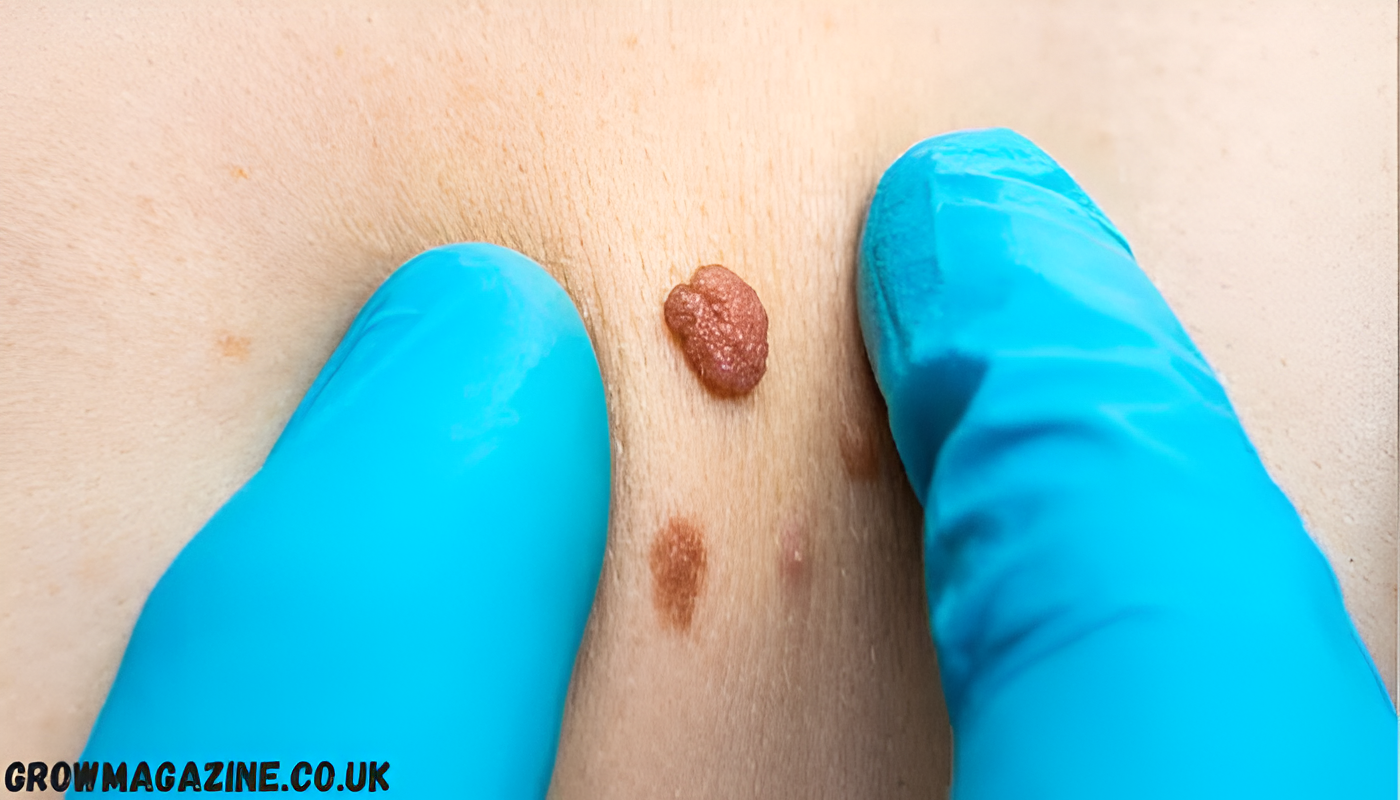
Skin Tags Caused: What Triggers Them and How to Reduce Your Risk
Skin Tags Caused Experiencing these small, harmless growths of tissue that hang off the skin by a tiny, thin stalk can sometimes leave you wondering why they appear in the first place. While discovering a new growth on your body can initially feel a bit alarming, these fleshy bumps are completely non-cancerous and incredibly common, affecting nearly half of all adults at some point in their lives. They are composed of loose collagen fibers, tiny blood vessels, and nerve cells wrapped in a protective layer of skin. While they do not cause any inherent medical danger, they can become a source of daily frustration or self-consciousness if they catch on your favorite necklaces, rub painfully against your clothes, or pop up in highly visible areas like your neck or face.
The Role of Friction: How Clothing and Skin Rubbing Cause Skin Tags
Physical friction is the absolute leading mechanical trigger behind the formation of new skin tags. When your skin continuously rubs against itself or presses against tight, restrictive clothing over a long period, the constant mechanical irritation stimulates the local tissue cells to divide rapidly, eventually producing a small, raised growth. This explains why people who wear tight collars, restrictive sports bras, or heavy jewelry frequently notice skin tags popping up right where those items press against the body. This constant rubbing essentially tricks the skin into overproducing tissue as a structural defense mechanism against the localized wear and tear.
The Weight Connection: Why Excess Weight Triggers Skin Growth
Carrying excess body weight creates a strong physical connection to the development of skin tags due to a simple increase in natural skin folds. When a person carries extra weight, the body naturally creates deeper, more frequent creases around areas like the neck, armpits, thighs, and under the breasts. These areas become natural hot zones for constant, ongoing skin-on-skin friction and trapped moisture throughout the day. This environment makes it incredibly easy for the rubbing tissue to kickstart the growth process, which is why individuals who struggle with weight fluctuations or sudden weight gain often notice a parallel spike in the number of skin tags on their bodies.
Insulin Resistance and Diabetes: The Internal Link to Skin Tags
There is a fascinating and deeply important medical connection between insulin resistance, prediabetes, and the sudden emergence of numerous skin tags. When your body struggles to process blood sugar efficiently, your pancreas responds by pumping out massive amounts of insulin into your bloodstream to compensate. High levels of circulating insulin act as a powerful growth stimulant that binds directly to specialized receptors on your skin cells, causing them to multiply at an accelerated rate. If you notice a sudden, rapid outbreak of skin tags across your neck or underarms, it is often an early, visible warning sign from your body that your metabolism is struggling and your blood sugar levels need to be checked.
Hormonal Shifts: Why Pregnant Women Frequently Develop Skin Tags
Pregnancy is a beautiful journey that brings about monumental hormonal shifts, but these exact same chemical changes frequently trigger a sudden explosion of new skin tags. During the second and third trimesters, a pregnant woman’s body experiences a massive surge in growth hormones, estrogen, and progesterone, all of which naturally stimulate the outer layers of the skin to expand and grow. Combined with the natural weight gain and increased physical friction that occurs as the pregnancy progresses, the body becomes a perfect environment for skin tags to develop. The good news is that these pregnancy-induced growths are completely harmless and will often shrink significantly or drop off entirely on their own after childbirth.
Aging Gracefully: How the Passing Years Affect Your Skin Texture
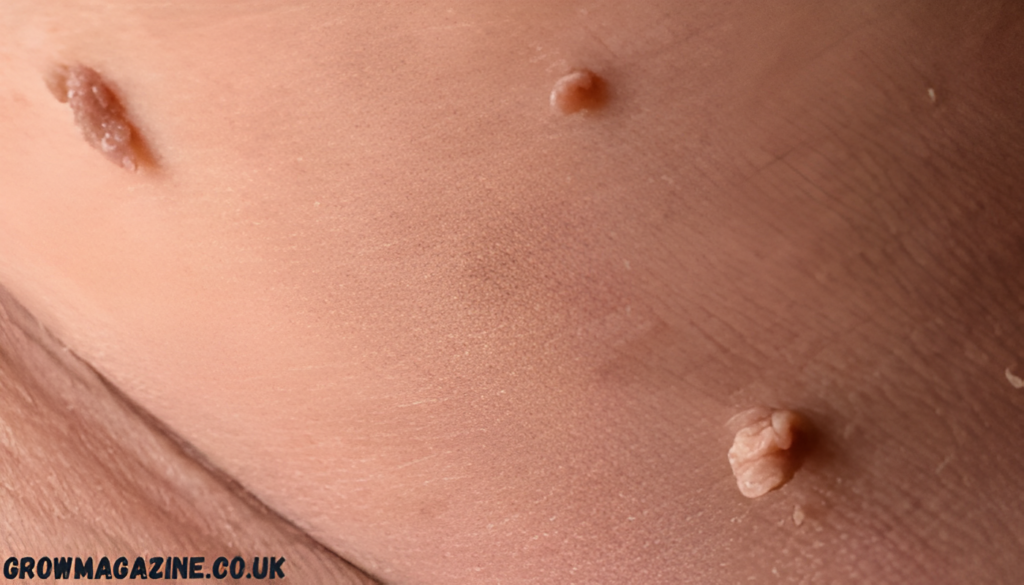
As we age gracefully into our middle and senior years, the natural composition and overall elasticity of our skin undergoes major structural changes. Over time, the skin gradually loses its youthful collagen density, becomes significantly thinner, and naturally begins to sag, creating brand-new folds and creases that weren’t there in our younger years. This natural shift in skin texture creates more opportunities for daily friction to occur during standard, everyday movements. Furthermore, because our bodies have experienced decades of cumulative friction and metabolic shifts by the time we reach our fifties, older adults naturally experience a much higher baseline rate of skin tag development.
Are Skin Tags Genetic? What Your Family History Tells You
If you find yourself constantly dealing with stubborn skin tags, there is a very high probability that your family history is playing a major role behind the scenes. Genetics dictate a massive portion of our skin structure, including how thick our skin is, where our bodies naturally store fat deposits, and how our cells respond to localized friction and hormonal signals. If your parents or close relatives struggled with frequent skin growths, your body is naturally pre-programmed to be far more sensitive to the exact same environmental and physical triggers. While you cannot alter your genetic code, knowing your family history allows you to be much more vigilant about protecting your skin early on.
Common Locations: Where Skin Tags Form Most Frequently on the Body
Skin tags are highly predictable growths that almost always choose to form in very specific, high-friction locations across the human body. The most common hot zones include the base of the neck, where collars and necklaces cause constant irritation, and the armpits, where the arms naturally rub against the torso during daily movement. They also frequently develop under the breasts, along the groin line, and even on the delicate skin of the eyelids due to the repetitive blinking motion. By identifying these common locations on your own body, you can keep a close eye on your skin health and take active steps to minimize the daily friction affecting those specific zones.
How to Reduce Your Risk of Developing New Skin Tags
While it is completely impossible to prevent every single skin tag from forming, you can drastically reduce your overall risk by implementing smart, daily preventative habits. The most effective approach involves directly addressing the twin culprits of friction and metabolic health simultaneously. Keeping your skin clean and perfectly dry in high-friction areas prevents moisture from worsening the irritation, and using anti-chafing powders or lubricants during intense workouts can save your skin from excessive rubbing. By combining these simple external protections with consistent internal health choices, you can create a bodily environment where skin tags struggle to form in the first place.
The Importance of Maintaining a Balanced Weight and Blood Sugar
Focusing heavily on maintaining a balanced body weight and steady blood sugar levels is one of the most powerful, long-term internal strategies for keeping skin tags at bay. Eating a clean, whole-food diet rich in fiber, lean proteins, and complex carbohydrates helps keep your insulin levels perfectly stable, cutting off the hormonal fuel that causes skin cells to overgrow. Pairing a balanced diet with regular physical activity not only helps reduce deep skin folds by managing body weight but also dramatically improves your body’s overall insulin sensitivity, protecting both your internal health and your outer complexion.
Smart Clothing Choices to Minimize Skin Friction and Irritation
Making highly conscious, smart clothing choices every morning is a remarkably simple yet effective way to shield your skin from unnecessary friction and irritation. If you are prone to skin growths, you should actively avoid stiff, heavy fabrics, tight elastic bands, and ultra-snug collars that cut into your skin fold areas throughout the workday. Instead, opt for loose-fitting, breathable, and moisture-wicking materials like soft cotton or specialized athletic fabrics that allow your skin to move freely without constant chafing. If you love wearing jewelry, consider opting for lighter, smoother chains that won’t aggressively rub against the sensitive skin around the base of your neck.
Debunking Myths: What Doesn’t Cause Skin Tags to Grow
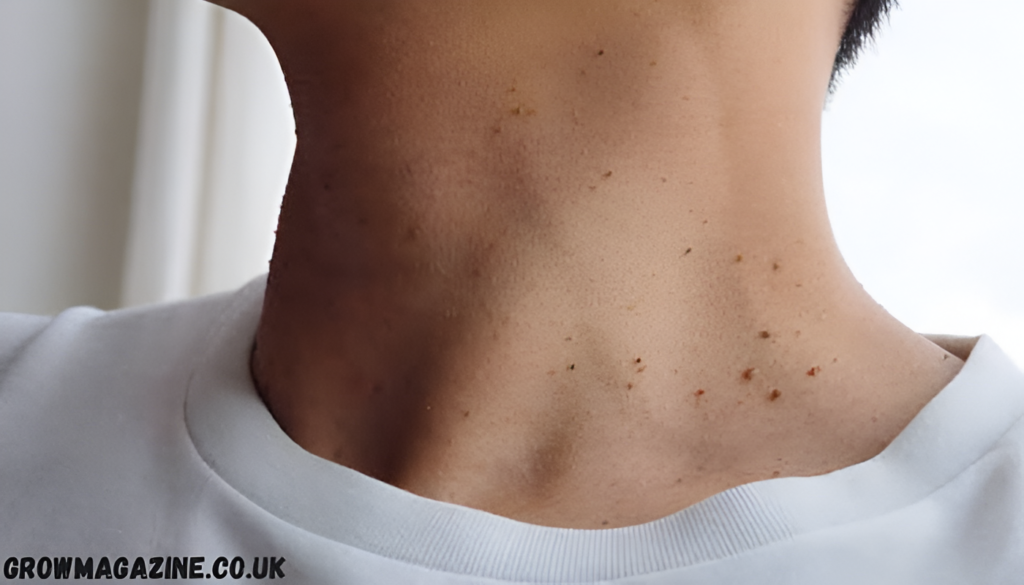
There are countless old wives’ tales and internet myths surrounding skin tags that deserve to be thoroughly debunked so you can manage your skin health with accurate facts. First and foremost, skin tags are absolutely not contagious; they are completely structural growths, meaning you can never catch them from touching someone else or pass them along to another family member. Additionally, they are entirely unrelated to warts, meaning they are not caused by the Human Papillomavirus (HPV) or any other active viral infection. Finally, removing a skin tag will absolutely not cause multiple new ones to magically explode around the same area—that is a pure myth, as each growth acts entirely independently.
When Should You See a Doctor About a Skin Tag?
While the vast majority of skin tags are entirely benign and require no medical intervention whatsoever, it is crucial to know when to schedule a professional evaluation with a doctor or dermatologist. You should definitely seek medical advice if a skin growth suddenly changes color, grows rapidly in size, or becomes incredibly painful, raw, or prone to bleeding. These unexpected changes can sometimes indicate that the growth isn’t a standard skin tag at all, but rather a more serious skin condition or mole that requires a biopsy. Furthermore, if a tag twists on its stalk and cuts off its own blood supply, it can turn black and become severely infected, requiring clean, professional removal.
FAQS About Skin Tags Caused
What is the main trigger for skin tags?
The primary trigger is physical friction. Continuous skin-on-skin rubbing or tight clothing chafing against the skin stimulates tissue cells to divide rapidly, creating small growths.
Are skin tags a sign of diabetes?
They can be. A sudden outbreak of multiple skin tags is strongly linked to insulin resistance and prediabetes, as high insulin levels stimulate accelerated skin cell growth.
Can you catch skin tags from another person?
No. Skin tags are completely non-contagious. They are structural tissue growths caused by internal mechanics and friction, not a viral or bacterial infection.
Do skin tags grow back after you remove them?
Removing a skin tag does not cause it to grow back or spark new ones around it. However, if the underlying friction or metabolic triggers remain, brand-new tags may form nearby over time.
Is it safe to cut off skin tags at home?
No. Attempting to cut, clip, or tie off skin tags at home carries a high risk of heavy bleeding, painful scarring, and severe infection. It is always safest to have a dermatologist remove them in a sterile environment.
Final Thoughts
In conclusion, managing your skin health safely requires a beautiful blend of patience, accurate medical knowledge, and gentle daily care. While skin tags can certainly be a cosmetic annoyance, they are a completely normal part of the human experience that reflects the daily physical movements and internal changes our bodies go through over time. If you do choose to have them removed for comfort or personal aesthetic reasons, you should completely avoid dangerous, unverified at-home DIY clipping kits or burning acids. Instead, always consult a trusted healthcare professional who can quickly, painlessly, and safely clear your skin in a clean, sterile medical environment.